
In This Guide
Key Operational Takeaways
- Strict cutoff enforcement prevents transactions from bleeding across billing cycles.
- Independent ledger-to-statement comparisons surface hidden posting variances.
- Routine suspense clearance eliminates lingering unallocated operational entries.
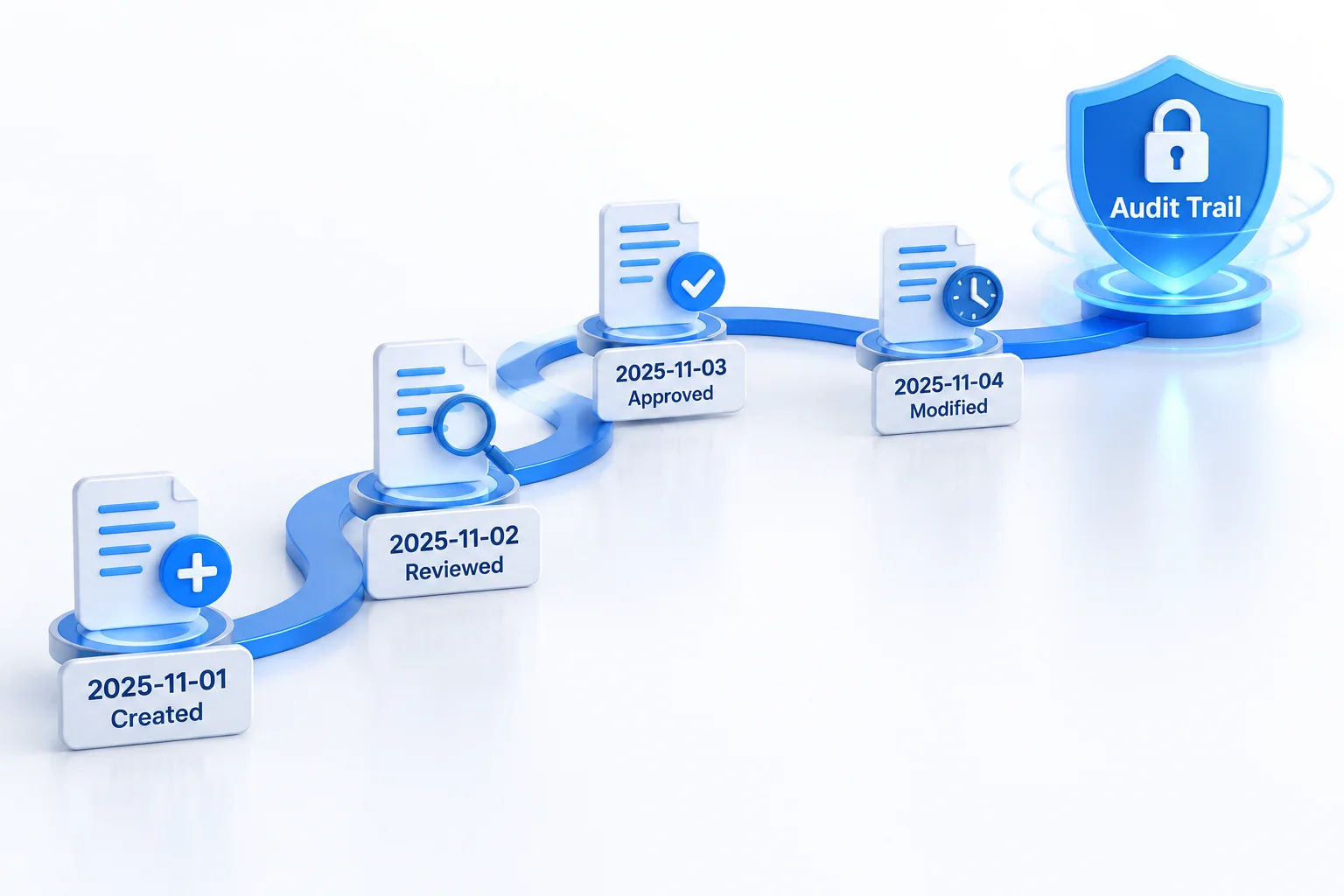
- Comprehensive audit trails safeguard records during internal reviews.
Establishing Period Cutoff and Baseline Verification
Month-end procedures form the operational rhythm that maintains ledger fidelity across recurring business cycles.
During monthly close cycles, bookkeepers establish definitive cutoff timestamps to verify that every incoming deposit, outgoing payment, and adjustment lands in its proper accounting interval. Allowing late vendor invoices or pending settlements to leak into the wrong fiscal month compromises reporting consistency and conceals operational lags.
Rigorous cutoff protocols transform monthly reconciliations from stressful investigative firefighting into predictable, methodical verifications.
Before locking general journals, accountants compare unadjusted opening numbers with verified closing positions from the preceding cycle. This initial handshake ensures that subsequent postings rest upon confirmed arithmetic foundations.
Common Month-End Discrepancies and Resolution Actions
Identifying variances requires systematically contrasting institutional statements with internal general journal books. When ledger accounts disagree with external records, the causes typically fall into distinct operational classifications.
| Variance Category | Root Mechanism | Rectification Protocol |
|---|---|---|
| Timing Lag in Deposits | Funds posted internally prior to bank settlement window | Verify clearing dates and track as outstanding in transit |
| Unrecorded Service Fees | Automated processing charges appearing only on external statement | Post expense adjusting entries to general ledger accounts |
| Transposition Posting Error | Inverted digits during manual journal documentation | Run divisible-by-9 calculation and record adjusting entry |
Resolving every line item before closing ensures that unexplained balance discrepancies do not compound into quarterly reviews or annual audits.
Three-Phase Closing Workflow
Follow this sequential framework to verify journals systematically, document supporting vouchers, and lock period records.
Gather Source Statements and Reconcile Cash Accounts
Retrieve finalized bank statements, merchant processor reports, and petty voucher logs. Match every cleared external entry against corresponding ledger rows, tagging outstanding drafts and deposits in transit.
Review Accruals, Prepayments, and Depreciation
Calculate scheduled depreciation on fixed equipment, release amortized portions of prepaid insurance, and post accrued recurring expenses incurred within the active cycle.
Conduct Trial Balance Review and Freeze Journal Entries
Run the adjusted trial balance to ensure total debits equal total balances. Once verified against supporting sub-ledgers, apply administrative lockouts to prevent retrospective tampering.
Frequently Asked Questions
Most disciplined operations complete basic cash reconciliations and journal adjustments within three to five business days following the calendar end date. Maintaining daily or weekly transaction matching significantly reduces this timeline.
Need a Practical Reconciliation Worksheet?
Explore our structured study sheets and workbook exercises designed to build rigorous balance verification skills.