
Table of Contents
Key Takeaways
- Automation reduces manual transposition errors significantly.
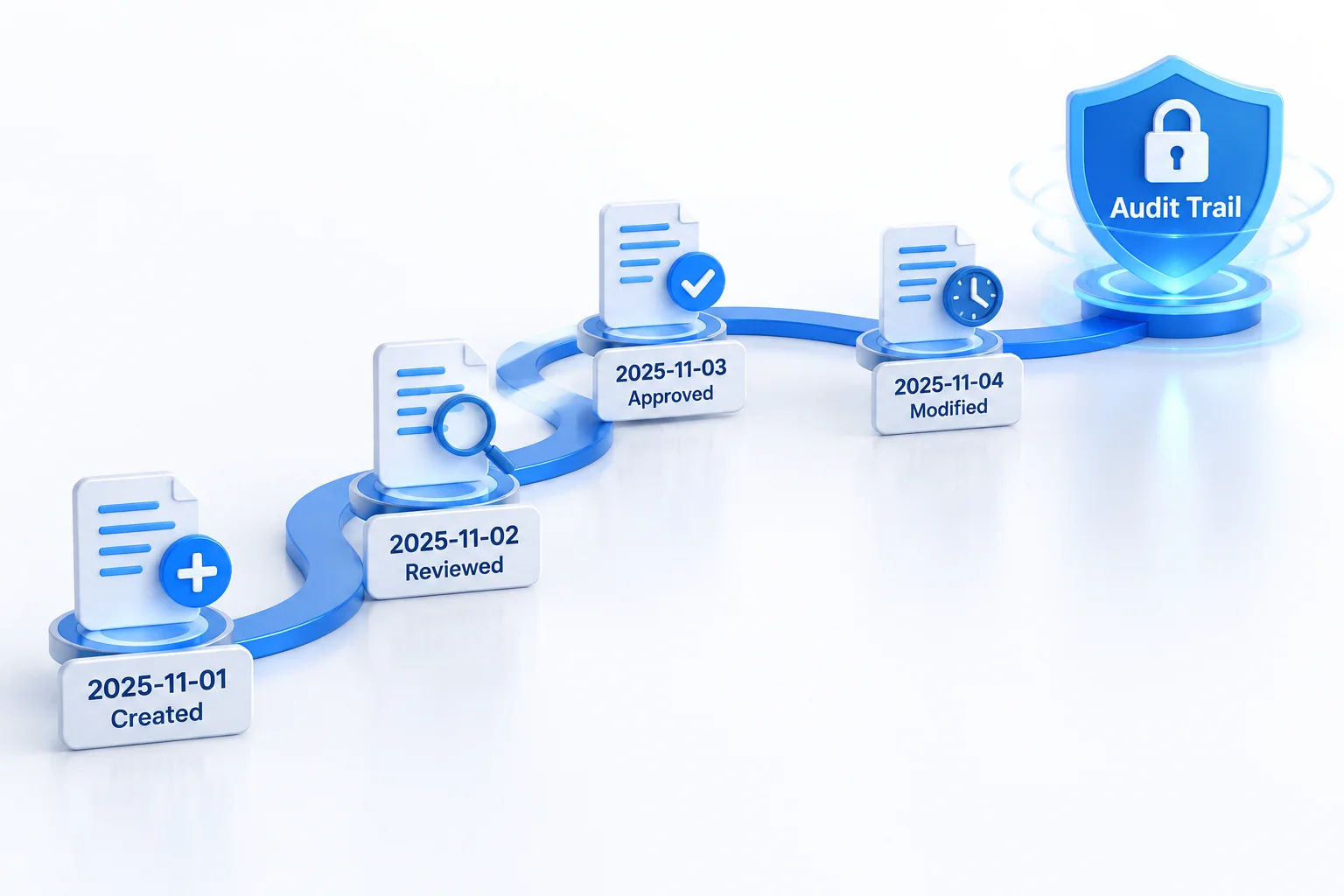
- Early detection prevents larger month-end reconciliation headaches.
- Consistent audit trails facilitate faster root-cause analysis.
- Categorization errors are often identified via trend analysis.
Foundational Detection Principles
Effective error detection is not just about finding what is wrong; it is about establishing a environment where anomalies are immediately obvious.
By maintaining rigorous standards, you build a system where missing transactions, duplicate entries, and posting errors stand out against your expected data flow. The key to successful detection is moving away from reactive searching toward proactive monitoring through regular ledger updates and defined validation checkpoints.
"Errors are not isolated incidents but symptoms of a larger breakdown in data consistency. Systematic verification acts as your primary diagnostic tool."
Focus on the data lifecycle: from the moment a transaction is initiated until it is fully cleared and matched in your books. This end-to-end oversight ensures that discrepancies are caught long before they affect your reporting period balances.
Common Error Patterns
Recognizing how typical errors manifest helps in designing faster identification routines. Most accounting errors fall into predictable categories that can be tracked via simple discrepancy charts.
| Error Type | Symptom | Detection Method |
|---|---|---|
| Transposition | Difference divisible by 9 | Check digit verification |
| Omission | Unmatched totals | Periodic batch validation |
| Duplication | Repeating exact amounts | Sort and compare sequences |
When your ledger balance consistently diverges by a fixed percentage or constant amount, start with the most common entry points, such as bank import interfaces or manual data entry modules, where these patterns frequently emerge.
Step-by-Step Investigation
Follow a structured sequence when investigating a discrepancy to ensure all variables are accounted for without duplicating your efforts or introducing new inaccuracies.
Isolate the Range
Define the specific date or sequence range where the discrepancy first appeared to narrow your focus area.
Validate Sources
Compare primary bank statements directly against your ledger, ignoring pre-calculated report totals during the first pass.
Perform Reconciliation
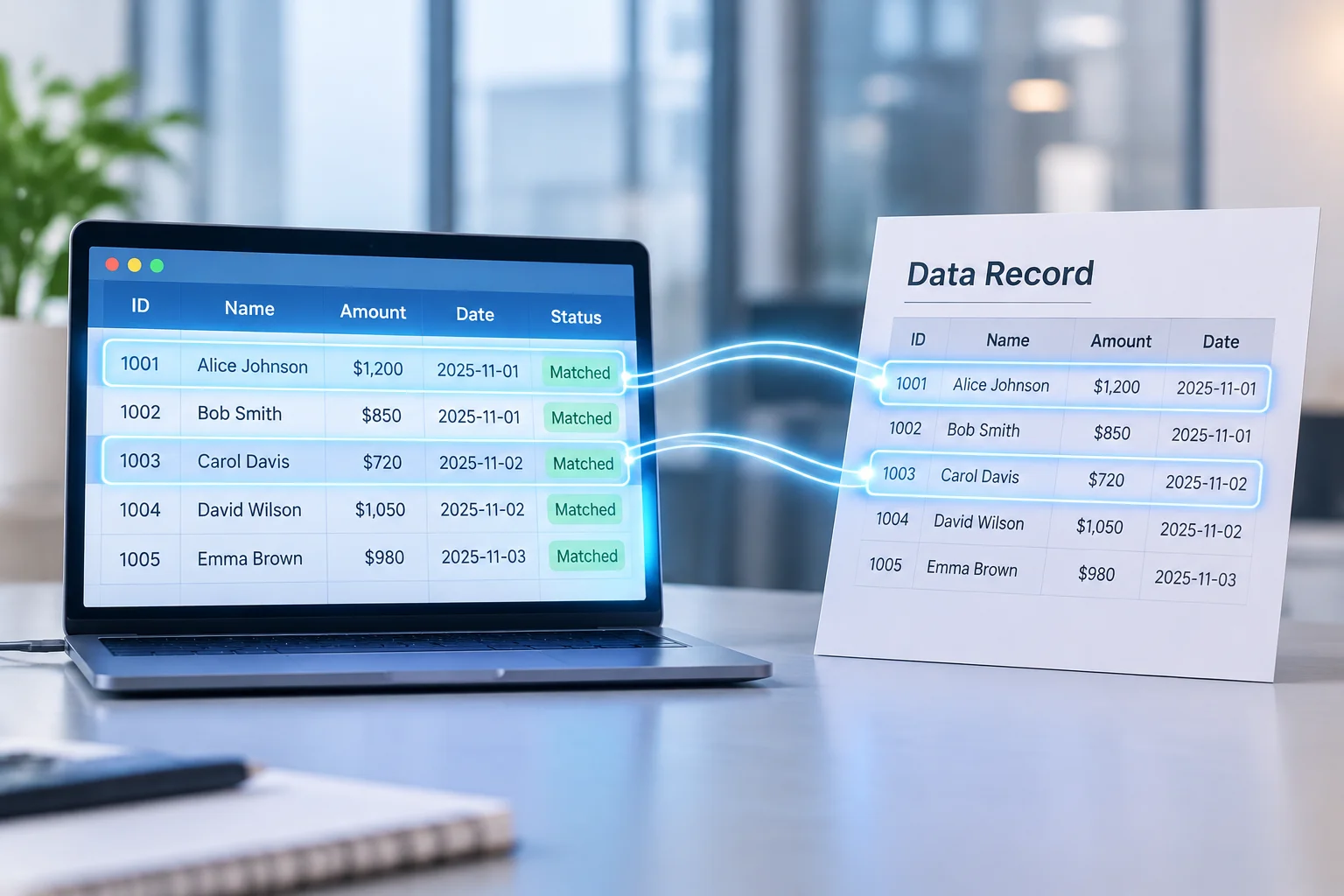
Create a temporary reconciliation workspace and tick off matching items until only the discrepancy remains.
Frequently Asked Questions
Ideally, reconcile your accounts daily or weekly. Procrastinating until month-end creates a backlog where investigation becomes exponentially harder.
Need Expert Assistance?
Our support team provides tailored guidance on identifying complex ledger discrepancies and optimizing your reconciliation workflows.