Table of Contents
Key Operational Takeaways
- Every ledger adjustment must leave a non-destructive historical imprint containing operator identity, precise timestamp, and originating document number.
- Reconciliation discrepancies caused by post-close edits can be traced in seconds when journal tables prohibit retroactive row deletion.
- Audit logs bridge external banking institution records and internal balance ledgers through linked reference batches.
- Regular inspection checklists ensure automated logs remain continuous and free from unmonitored administrative overrides.
Principles of Chronological Event Logging
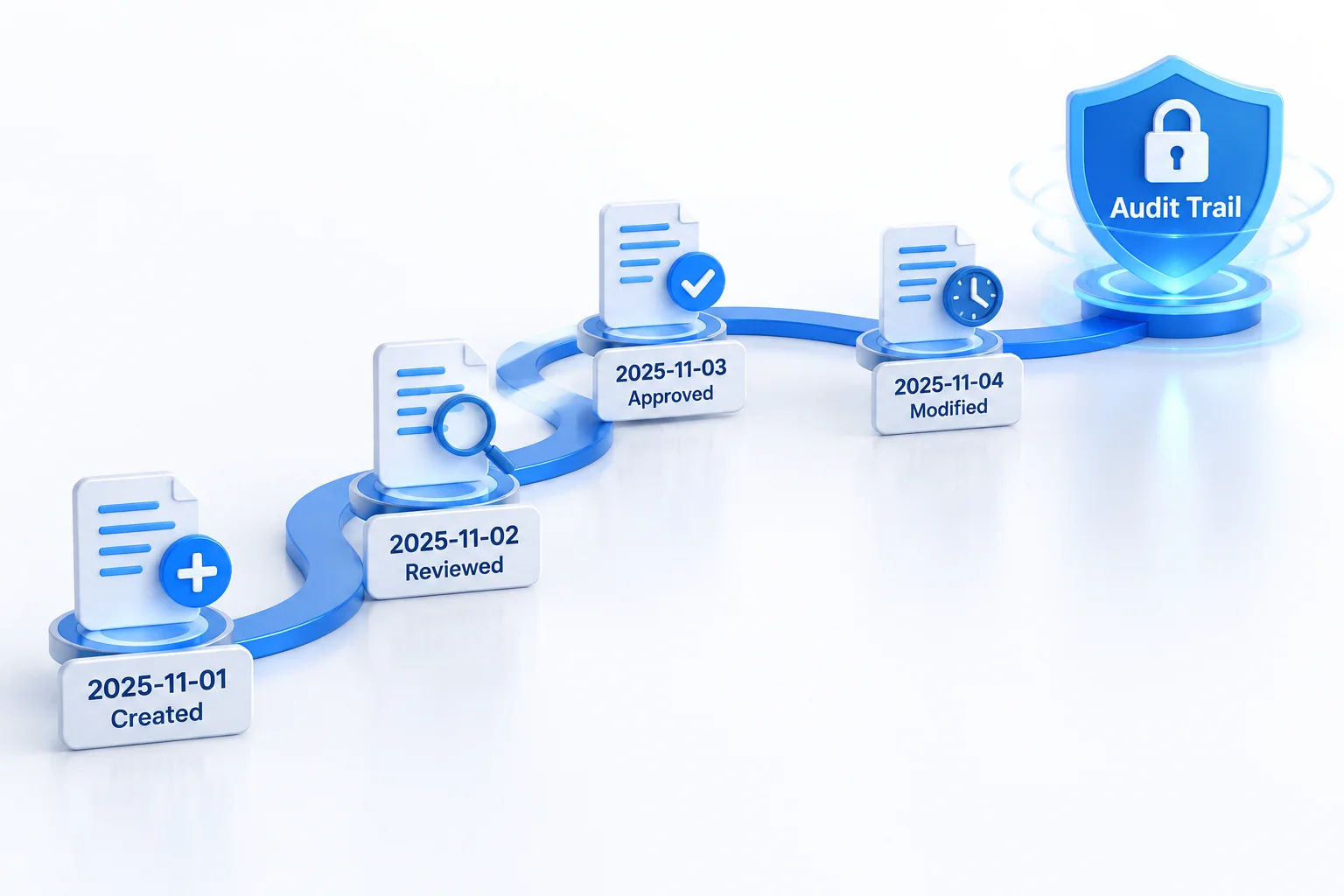
An audit trail functions as an unbroken evidentiary chain documenting the complete lifecycle of every financial record from initial entry through periodic verification.
In traditional accounting practice, reconciling accounts is only as dependable as the supporting evidence. Without persistent logging, detecting whether an open item was cleared legitimately or artificially zeroed out becomes nearly impossible. Modern ledger software and methodical workbook journals enforce an append-only architecture: when an operator modifies an erroneous disbursement, the original posting remains intact while a offsetting correcting record documents the variance.
A dependable audit log does not prevent human errors from occurring; it guarantees that every alteration remains visible, verifiable, and attributable to a specific procedural event.
By archiving system metadata alongside operational entries, teams resolve timing variances swiftly. Investigators cross-examine bank statement processing dates against software save points, isolating unposted deposits and identifying unauthorized changes before final balance statements receive executive sign-off.
Structural Components of an Immutable Log
Standardized accounting registries record specific transaction attributes to satisfy internal control mandates. Omitting even a single identifier undermines the evidentiary strength of the entire ledger dataset.
| Record Dimension | Tracking Requirement | Discrepancy Prevention Value |
|---|---|---|
| UTC Timestamp | Server-synchronized second-level recording of creation and edit events | Exposes backdated adjustments entered after month-end ledger closure |
| Unique Operator ID | Individual credential attribution without shared administrative profiles | Establishes direct accountability for unauthorized balance overrides |
| Delta Snapshot | Simultaneous capture of prior balance state and revised figure | Permits instant mathematical reconstruction of altered ledger accounts |
These core dimensions operate concurrently across accounts payable, receivable, and general cash ledgers. When reconciliation differences occur between opening statement figures and ledger books, examining the delta snapshots instantly reveals whether historical balances shifted after the prior period was locked.
Step-by-Step Verification Protocol
Follow this three-phase inspection workflow during every periodic close to ensure ledger activity aligns perfectly with primary banking records.
Extract Unfiltered Activity Logs
Export system-generated event records spanning the reporting window, ensuring raw chronological listings include voided items, revisions, and automated interface syncs.
Cross-Match Against Primary Source Vouchers
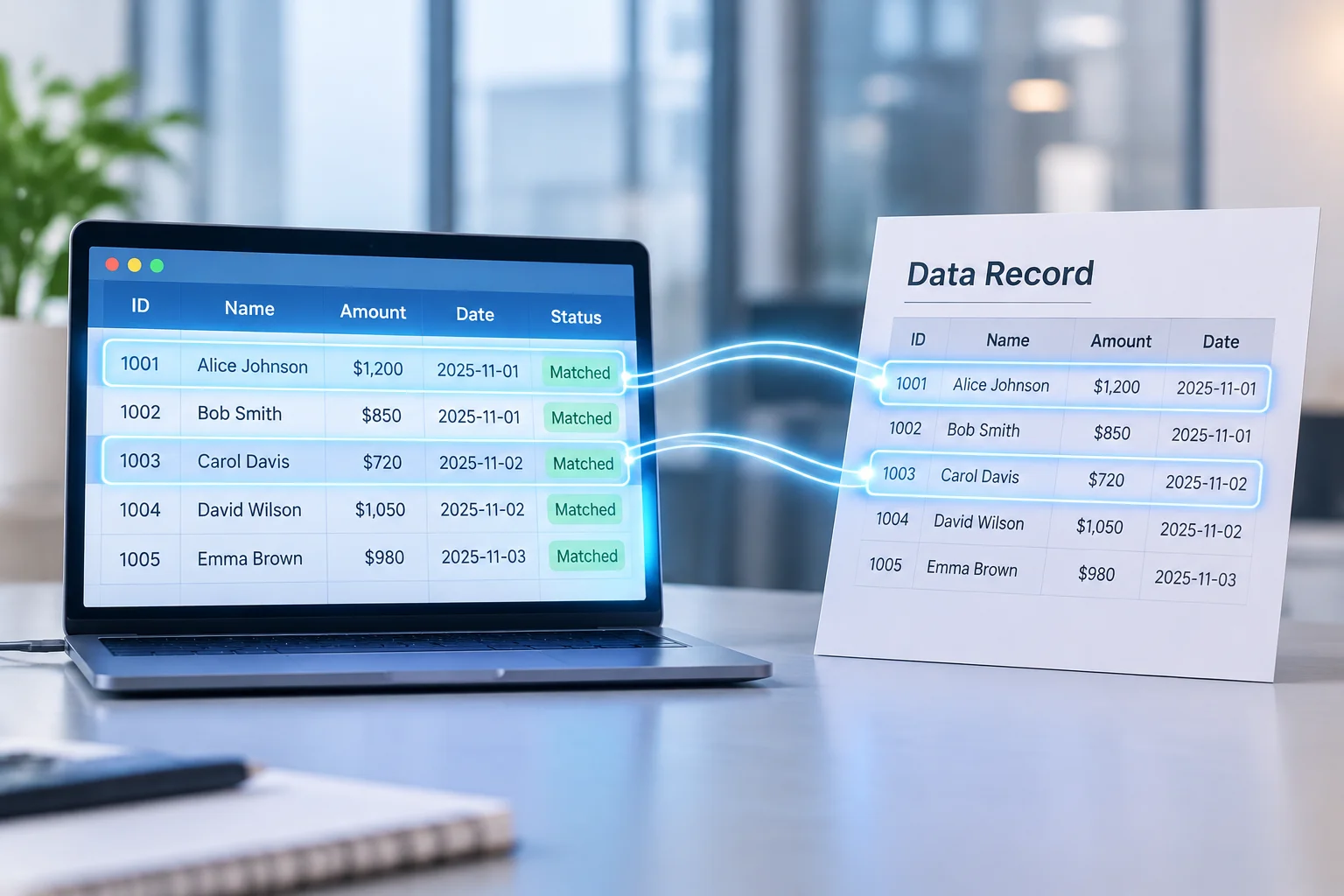
Compare recorded journal modifications with third-party bank statements, electronic vendor invoices, and physical check counterfoils to substantiate each adjustment reason.
Lock Reporting Periods & Archive Sign-Offs
Apply digital freeze controls to prohibit subsequent write access on reconciled registers, filing the signed inspection log alongside the final reconciliation summary sheet.
Frequently Asked Questions
When the starting balance of a new month differs from the reconciled closing balance of the prior period, an activity query on the prior period dates highlights any journal entries added, edited, or unposted after the cutoff date.
Enhance Your Balance Verification Procedures
Explore practical exercises, workbook drills, and structured balance verification frameworks.