
Module Content Outline
Core Ledger Takeaways
- Every commercial transaction requires corresponding entries across at least two accounts to maintain balance sheet equilibrium.
- Source vouchers, invoices, and settlement records must substantiate transaction amounts before posting to permanent books.
- Account category determines whether positive balances reflect operational assets or residual equity claims.
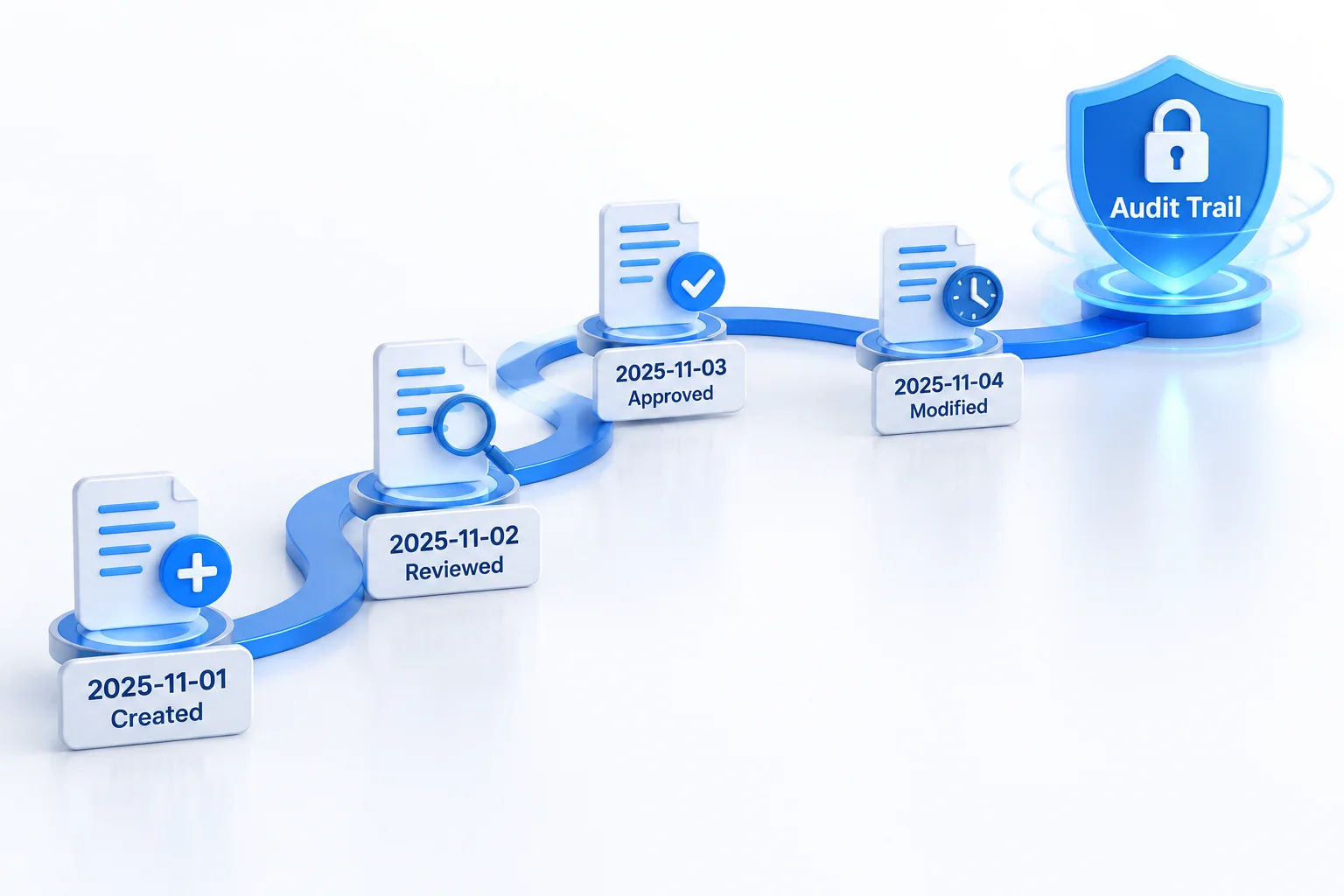
- Strict chronological indexing prevents omitted entries and provides an unbroken audit trail for period reconciliation.
Dual-Sided Posting Equilibrium
Recording commercial activity in a general ledger demands unwavering adherence to balanced, dual-entry posting standards.
Whenever an economic event occurs, financial records capture its consequence across complementary accounts. A disbursement outward reduces liquid assets while clearing an outstanding vendor obligation. Recording both the origin and destination prevents unilateral discrepancies that would otherwise distort the trial balance. Ledger clerks maintain structural integrity by verifying that total debits match total counter-allocations across every batch prior to final posting.
Accurate balancing at the point of journal creation eliminates compounding variances during month-end account reconciliation.
Chronological indexing reinforces this mathematical framework. In the general ledger, entries logged sequentially establish an unambiguous audit path. Discrepancies identified during statement comparison trace back directly to specific line items, ensuring each posting reflects genuine commercial activities documented by supporting vouchers.
Account Classification & Behavioral Rules
Different account categories observe distinct mathematical behaviors when transactions post. Asset and expense categories increase through left-side entries, whereas liabilities, equity, and operational revenue expand through offsetting right-side counter-entries. Preserving these conventions ensures reports reflect an authentic financial snapshot.
| Account Category | Normal Balance Orientation | Posting Direction for Balance Increase |
|---|---|---|
| Liquid Cash & Receivables (Assets) | Debit Position (Left) | Left-Side Addition |
| Vendor Payables & Obligations (Liabilities) | Counter Position (Right) | Right-Side Allocation |
| Operational Expenses & Outflows | Debit Position (Left) | Left-Side Addition |
Assigning transactions to improper accounts causes silent balance shifts that evade routine mathematical checks. A standardized chart of accounts establishes clear operational boundaries, providing distinct identification numbers for every active line item.
Three-Phase Verification Protocol
Ensuring consistent accuracy across corporate ledgers involves a repeatable three-stage verification workflow before closing any reporting interval.
Source Voucher Inspection
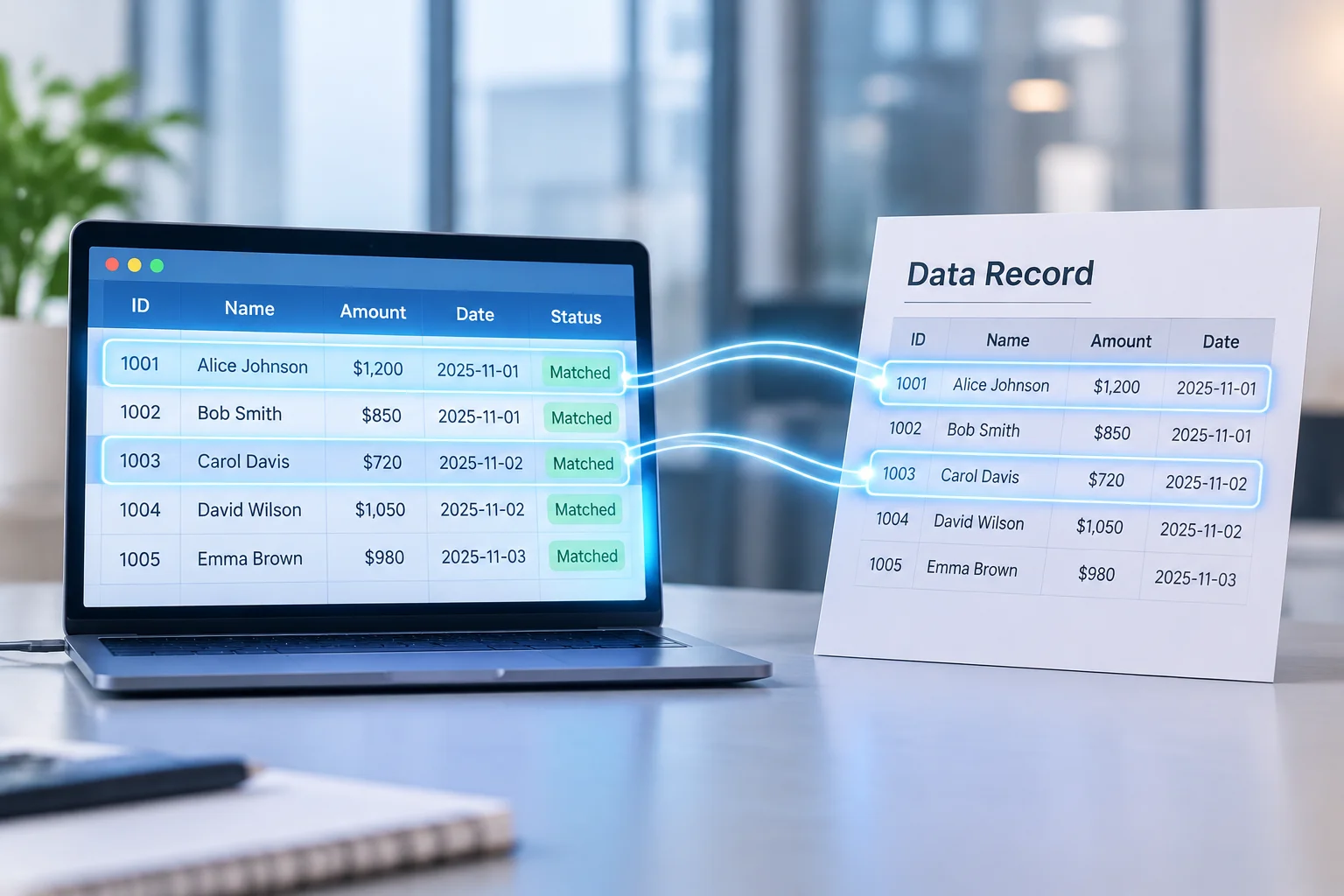
Compare source invoices, supplier receipts, and bank deposit advices against draft journal entries to verify date validity, transaction amounts, and account coding.
Dual-Sided Balance Summation
Execute a pre-posting balance check to confirm that the sum of debit postings equals counter-allocations exactly, leaving zero net mathematical difference.
Sub-Ledger Reconciliation
Cross-examine detailed subsidiary registers against general ledger control totals to isolate individual record omissions or posting timing variances.
Operational Clarifications & FAQ
A journal entry captures individual transactions chronologically with descriptive narratives and source references. A ledger posting transfers these verified figures into individual category accounts, categorizing activity for financial statements and trial balances.
Need Practice With Ledger Entries?
Access our analytical workbook exercises to strengthen your practical verification techniques.