
Understanding Reporting Periods
Establishing systematic temporal boundaries, closing intervals, and cutoff disciplines across ledger systems.
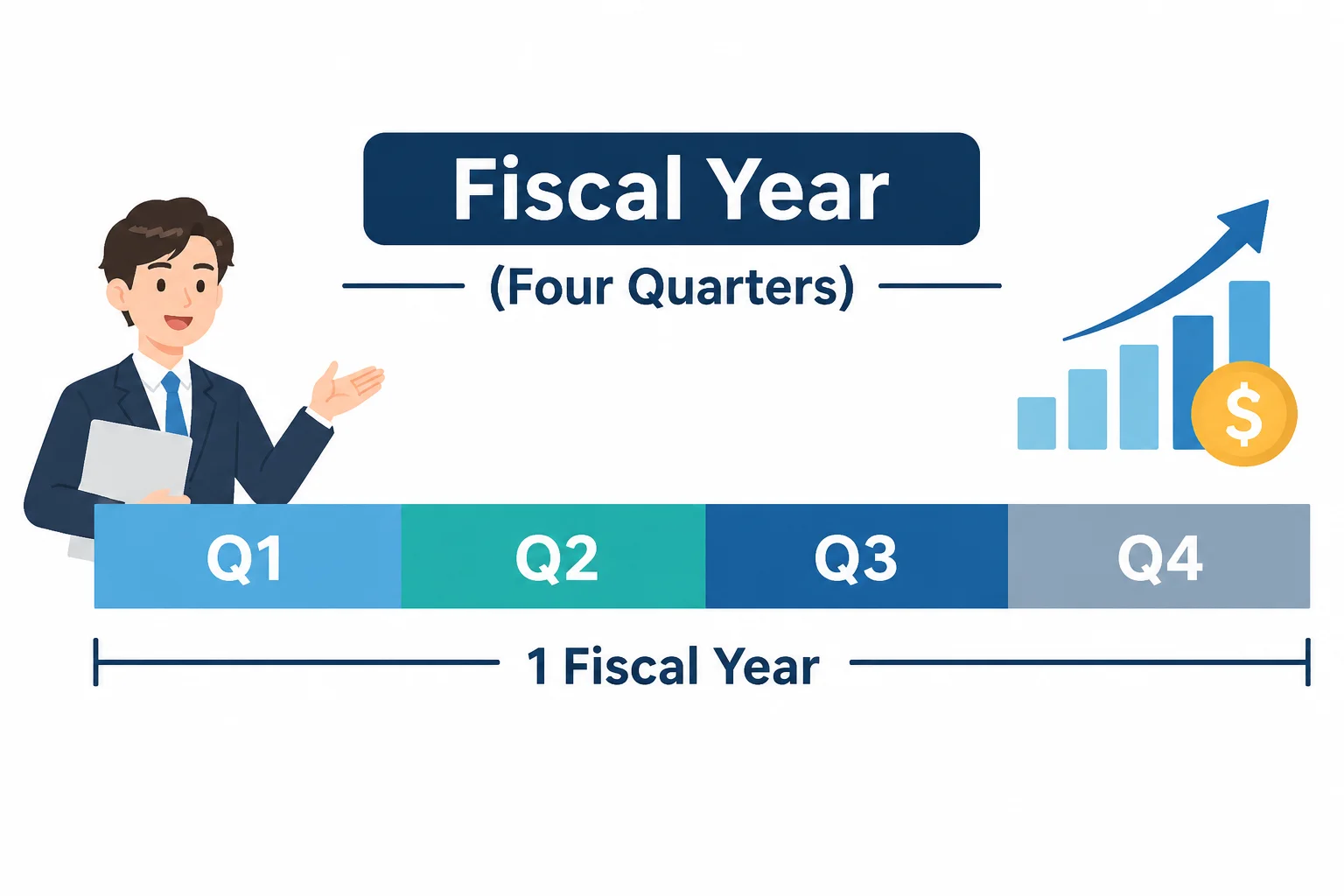
Defining Temporal Boundaries in Ledger Management
Reporting periods dictate how financial activities are grouped, measured, and closed. Setting rigorous cutoff dates ensures transaction activity aligns strictly with true operating cycles without timing overlap.
Operational Specifications
- Standard Intervals
- Monthly, Quarterly, Annual
- Core Principle
- Cutoff Date Integrity
- Typical Timing Variance
- 24 to 72 Hours
- Target Closing Status
- Locked Ledger State
The Role of Cutoff Dates in Reconciliation
A reporting period serves as the primary structural boundary in bookkeeping. It segments an organization's continuous flow of financial operations into measurable, comparable blocks of time. Without clear date parameters, balancing bank statements against internal ledgers would turn into an unending moving target. A cutoff date establishes the precise minute an accounting window closes, determining whether incoming checks or outgoing vendor settlements belong to the current cycle or the next.
When organizations reconcile their books, timing differences frequently arise because internal journal posts and external clearing institutions operate on differing processing schedules. A deposit recorded on the final afternoon of a cycle might not appear on the official banking record until the following day. Clear reporting periods allow accountants to isolate these items as transit entries rather than permanent balance variances.
Investigate Real-World Boundary Discrepancies
Review our detailed documentation of timing lags and cross-period transaction corrections in actual ledger reconciliations.
Calendar Years Versus Fiscal Operational Cycles
While standard calendar periods follow the traditional January through December progression, many entities select custom fiscal periods to mirror their operational reality. Seasonal retail groups frequently conclude their annual cycle at the end of January to capture complete post-holiday returns and final inventory counts. Similarly, academic organizations align their reporting cycles with school terms ending in June.
Establishing an unyielding transaction cutoff prevents downstream reconciliation discrepancies before they can distort ledger balances.
— BalanceTrace Research Group
Regardless of whether an organization implements quarterly milestones or custom 4-4-5 week retail calendars, consistency remains paramount. Shifting reporting parameters arbitrarily disrupts historical comparisons and impairs periodic variance analysis. Maintaining rigid calendar definitions ensures every analytical summary compares equal units of operational activity.
Essential Rules for Closing Ledger Intervals
Closing an accounting period demands discipline. Once an interval concludes, ledger accounts must transition into a locked state to prevent unauthorized modifications or post-dated entries from compromising previously verified figures. The following four operational procedures safeguard ledger integrity:
- Lock transaction entry gates immediately following the declared cutoff timestamp.
- Verify all bank clearing slips correspond strictly to matching statement dates.
- Segregate unposted deposits and outstanding checks into transit staging accounts.
- Document periodic adjustments with clear reference notes and operational approval.
Managing Straddle Transactions and Accrual Windows
A straddle transaction occurs when an economic activity begins in one reporting period and settles in another. For example, utility services utilized during late October may be invoiced in mid-November and paid out in early December. Accrual accounting frameworks require allocating the expense to the period in which the service was consumed rather than when cash disbursement took place.
Reconciling straddle entries requires documented accrual adjustments and reversing entries at the dawn of the subsequent cycle. Bookkeepers who bypass structured accrual protocols risk skewing month-to-month expense trends. By systematically mapping each obligation to its proper period, balance sheets remain transparent and audit-ready.
Step-by-Step Reporting Period Verification Workflow
Systematic interval verification protects accounting books against unrecorded timing differences. The three-phase procedure outlined below details how verification teams process reporting closures.
Define & Freeze Timestamps
Establish the exact boundary hour for transaction inclusion, freezing batch journals to prevent retroactive entries.
Isolate Transit Entries
Identify records initiated before cutoff that clear through banking channels in the succeeding operational window.
Lock and Document the Close
Perform reconciliation calculations, produce balance variance schedules, and archive signed verification logs.
Comparative Verification Matrix for Period End
| Verification Parameter | Ledger Record Standard | Statement Checkpoint | Resolution Rule |
|---|---|---|---|
| Transaction Cutoff Date | Midnight of cycle end date | Statement generation timestamp | Exclude entries timestamped post-cutoff |
| Deposits in Transit | Recorded on or before cutoff | Unlisted on current statement | Add to statement ending balance |
| Outstanding Drafts | Authorized prior to period close | Awaiting banking clearing | Deduct from statement ending balance |
Frequently Asked Questions
Clarifications regarding period alignments, adjusting records, and boundary timing discrepancies.
When goods or services were delivered before the cutoff, the expense is accounted for within that period via an accrual journal adjustment, preserving accurate matching principles even if physical billing arrives during the next cycle.
Financial institutions may generate statements based on mid-month cycle schedules (such as the 15th to the 14th) rather than standard calendar months. Reconcilers bridge this discrepancy by segmenting internal ledgers to align precisely with statement cutoff days.
Standard accounting controls discourage retroactive adjustments in closed periods. Corrections are typically applied in the current active period through documented prior-period adjustment entries to maintain an unbroken audit trail.